December 15, 2025
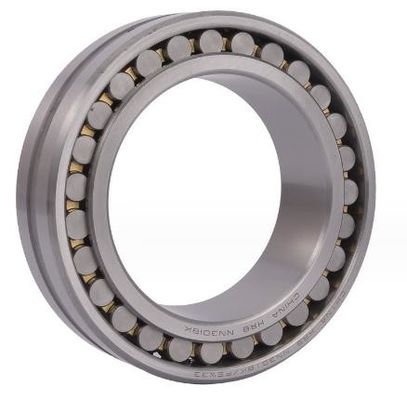
Wind energy represents a pillar of the global shift toward renewable power, and at the heart of every modern multi-megawatt wind turbine lies a complex, heavily loaded gearbox. This critical component is tasked with converting the slow, high-torque rotation of the turbine blades into the high-speed rotation required by the electrical generator. Cylindrical roller bearings are fundamental workhorses within these planetary and parallel-shaft gear stages. They are predominantly used to support the gear shafts and planetary carriers, where they must withstand enormous radial loads generated by the meshing of gears under fluctuating wind conditions. Their high radial load capacity and robust design make them uniquely suited to handle the punishing, variable loads that characterize wind turbine operation, from gentle breezes to storm-force gusts.
The operating environment inside a wind turbine gearbox is exceptionally demanding. Bearings are subjected not only to extreme loads but also to potential misalignment from housing deflection, dynamic load variations, and the constant threat of lubricant contamination from gear wear particles. Modern cylindrical roller bearings for wind applications are specifically engineered to meet these challenges. They often incorporate advanced features like Cage Guide Rings—where the cage is centered on a dedicated guide rib rather than on the rollers. This design enhances cage stability and reduces friction, especially during start-up and low-speed operation, which is critical for efficient power generation. The internal geometry, including optimized roller profiles and precise raceway curvatures, is designed to promote the formation of a stable elastohydrodynamic lubricant film, separating the metal surfaces even under the most severe load conditions.
Given the remote and difficult-to-access location of wind turbines—often hundreds of feet in the air or far offshore—bearing reliability and maintenance predictability are of paramount economic importance. Unplanned downtime for repairs is extraordinarily costly. Therefore, the entire maintenance philosophy is centered on reliability engineering and condition monitoring. The bearings themselves are selected and sized for a design life exceeding 20 years. On-site, sophisticated condition monitoring systems continuously track vibration signatures, acoustic emissions, and oil quality. Advanced vibration analysis can detect the earliest signs of bearing degradation, such as subtle pitting or cage wear, long before a catastrophic failure. Lubrication systems are equipped with fine filtration and regular oil analysis programs to monitor for wear metals and moisture. This data-driven, predictive approach to maintenance, built upon the inherent durability of purpose-engineered cylindrical roller bearings, is essential for maximizing turbine availability and ensuring the long-term viability of wind farm investments.